Thriller vs Romance: How Genre Changes the Blurb You Write
Two blurbs can be the same length, sit on the same shelf and speak to the same reader — and still need completely different sentences. A thriller blurb is built to tighten your chest. A romance blurb is built to make you care before it gives you anything to worry about. Use the wrong rhythm and the copy reads as though it belongs to another book entirely, which is precisely what a browsing reader will assume.
Genre isn't a label you add at the end. It's the instruction manual for your sentence structure, your stakes and the feeling you leave in the reader's hands.
The same job, two different promises
Every blurb answers three questions: who wants something, why they can't have it, and why the reader should turn the page. Genre changes how much weight each answer carries.
Thrillers trade in pressure. The reader wants to feel the floor tilting; the promise is that something is already wrong and getting worse. Romance trades in feeling. The reader wants to be moved, and in most commercial romance they also want the reassurance of an emotionally satisfying ending — the tension sits in how the two of them get there, not whether they do.
That difference shapes everything downstream. A thriller blurb is allowed to withhold. A romance blurb has to make you invest first.
Rhythm: staccato versus swell
Read thriller blurbs aloud and you'll hear the percussion. Sentences shorten as the paragraph goes on. Fragments are normal. Line breaks land mid-thought so the eye stumbles, then hurries.
At 6.04pm, Erin's phone buzzes with a photograph of her own front door. Taken four seconds ago.
She is alone in the house.
That's a rhythm of withheld breath. The present tense puts the reader inside the moment, and the break before the final line does work a longer paragraph couldn't.
Romance moves in swells. Sentences are longer, warmer, more sensory — the smell of the bakery at six in the morning, the specific way someone laughs. Then, just as the prose settles into a flow, one short line lands the emotional beat.
Maisie has spent three years turning the old bakery into something worth keeping. She has spent three years not thinking about the man who walked out of it.
Now he's standing in the doorway with a cheque.
Same technique, opposite temperature. Thrillers tighten. Romance swells and then presses.
Stakes: outward pressure versus inward cost
Stakes are where most genre mismatches show up. Thriller stakes expand outwards. Romance stakes deepen inwards.
- Thriller: a missing sister becomes a falsified police report becomes a night spent in the wrong house.
- Romance: a shared flat becomes a shared secret becomes a choice that will cost one of them the life they built.
- Thriller asks: will she get out?
- Romance asks: will she let herself be seen?
Notice the escalation pattern. In a thriller, each beat adds a new external threat and shrinks the time available. In romance, each beat adds emotional exposure — the characters move closer to the truth about themselves, and the cost of admitting it grows.
If your romance blurb lists obstacles (an ex, a job offer, a disapproving mother) without naming what the character stands to lose inside, it reads as a plot summary rather than a promise. If your thriller blurb leans on feelings without a concrete danger in the first two lines, it reads as literary fiction and loses the readers you were aiming at.
The emotional promise on the back cover
Ask what the reader should feel by the end of the blurb, not just what they should know.
Thrillers sell unease and momentum: the pleasure of being wrong, the itch to check the next page. The best lines are small, cold facts delivered calmly. She shouldn't have opened it. The door was already unlocked.
Romance sells ache and recognition: the specific, almost embarrassing pleasure of watching two people get it wrong beautifully. Its best lines are warm and a little dangerous. He says her name like an apology.
Both genres leave the reader with a question, but the question has a different shape. Thriller readers want to know what happens. Romance readers want to know how it feels when it does.
The words that give you away
Small word choices tell a browsing reader which shelf they're on, often before the plot does.
Thriller language is physical and active: vanished, followed, lied, three days, no one believed her. Verbs do the heavy lifting and adjectives are rationed. Nothing is described for atmosphere alone; every detail is a clue or a threat.
Romance language is sensory and relational: almost, again, still, the way he, she never told him. Adverbs earn their place when they carry longing. Details matter because they reveal character, not because they raise alarm.
Watch the crossover words. Dangerous can sell either genre, but it means something different in each: in a thriller, someone might get hurt; in romance, someone might get hurt and it will be entirely their own fault. Use it deliberately, or leave it out.
Try rewriting your blurb as the other genre
The fastest way to find out whether your blurb is doing genre work is to write it wrong on purpose.
- Take your 150-word blurb and mark every sentence external or internal. Thriller drafts should run heavily external; romance drafts need a clear internal thread.
- Rewrite your opening line in the opposite rhythm — one long, flowing sentence if it's a thriller; three clipped fragments if it's a romance.
- Name the promise in a single line. Thriller: Something is coming, and she has days, not weeks. Romance: They will get this right, but not before it costs them.
- Cut anything that only sets up later plot. A blurb sells the opening pages and the feeling of the whole book, nothing else.
- Read it aloud. If you run out of breath, you're writing romance. If you sound like you're giving evidence, you're writing thriller.
Then put it back in its own genre and check that every line earns its place. The reader doesn't need to be told which shelf the book belongs on. Your sentence rhythm, your stakes and your emotional promise will tell them before they've read a word of the sample.
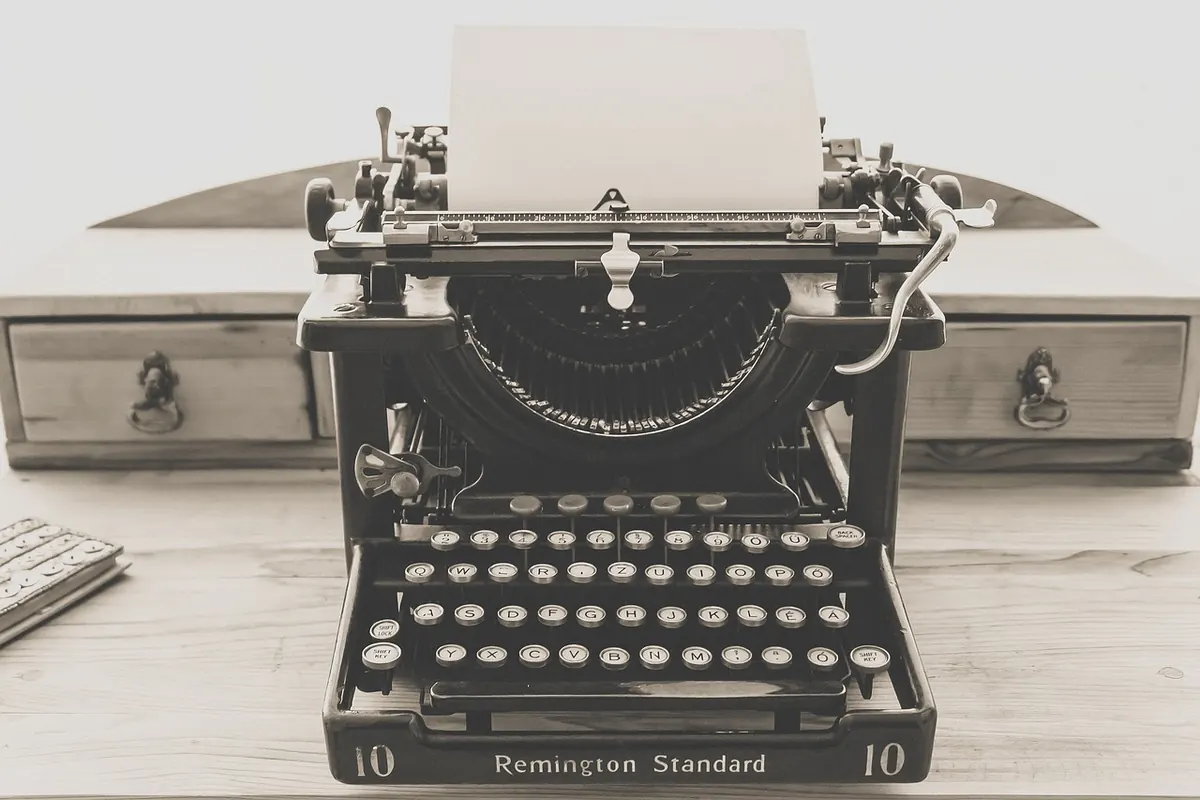
Photo: MabelAmber / Pixabay
You Might Also Like
Everyone knows the house edge. Everyone has heard that the roulette wheel has a zero on it and that the slot machines are programmed to pay back a certain…
Ask ten casino players why they play and you'll get ten different answers. The thrill of a jackpot, the mental chess of a poker table, the slow burn of a…