The 12-Point Book Blurb Checklist: Test Your Back-Cover Copy Before You Publish
Your blurb has one job: persuade a browsing reader to click “Look Inside” rather than scroll past. It must promise a story worth their evening without giving away the ending. Most weak blurbs fail in predictable ways—vague stakes, a missing character, wrong tone, or a third paragraph that explains instead of entices. Run your copy through the twelve checks below before you upload. Read as an editor would: pen in hand, bias towards cutting.
Check 1–3: Stakes, character and want
1. Are the stakes clear by sentence two? A reader should know what could be lost, won or broken before they reach the third line. “Mara returns to the village” is setup. “Mara returns to the village to bury her sister—and finds her own name in the will” is a story. If your opening is all weather, history or mood, you have started in the wrong place.
2. Does the main character feel like a person, not a placeholder? Name them. Give them one concrete detail that hints at flaw, work or temperament. “Disgraced pastry chef” tells us more than “a woman with a past”. Readers do not need a full biography, but they do need a reason to follow this particular person for 300 pages.
3. Is the want specific and active? “She wants to be happy” is not a plot. “She wants to buy back her grandmother’s bookshop before the developer arrives on Friday” is. The want should drive the blurb’s middle section and collide with the obstacle you have already hinted at.
Check 4–6: Tone, tense and point of view
4. Does the tone match the book? A cosy mystery should not sound like Nordic noir. A romantic comedy should not read like a psychological thriller. Choose a sentence from your opening chapter and use it as a tuning fork. If the blurb is funnier, darker or more literary than the pages, readers will feel cheated—and say so in reviews.
5. Is the tense consistent? Most blurbs use present tense: “Mara returns to the village…” even when the novel is written in past tense. Present tense creates immediacy and suits the back cover. If you start in present, stay there. Switching mid-paragraph is common, jarring and easy to fix.
6. Is the point of view consistent? Third person works for most fiction. First person can be powerful if the novel is first person and the voice is distinctive. Avoid mixing “I” and “she” unless the shift is deliberate and clear. A muddled point of view makes the blurb feel unfinished.
Check 7–9: Length, rhythm and readability
7. Is it the right length? For most fiction, 100–200 words is a useful target. Some retailers have character limits, so check the field before you paste. If you are over, cut adjectives and backstory first. The opening sells, the middle proves, the final line hooks. You rarely need a fourth paragraph.
8. Does it vary sentence length? Short. Then a longer sentence that carries the reader forward with a specific detail. That rhythm keeps eyes moving. If every sentence is 25 words, the blurb feels like homework. If every sentence is four words, it feels like a trailer with no film behind it.
9. Can you read it aloud without stumbling? Do it. Mark any phrase you would not say to a friend in a bookshop. Rewrite those. Keep names and places easy to pronounce on a first read. A blurb is spoken in the reader’s head, so it should sound like a person talking, not a press release.
Check 10–12: Genre signals, comparison and closing hook
10. Does it signal genre without shouting? Readers scan for cues. “Body in the bakery”, “second chance”, “starship”, “small town”, “secret inheritance” all do quiet work. Use two or three clear signals. Do not list keywords like a metadata field; weave them into the promise of the story.
11. Is any comparison honest and useful? “For readers of…” can help, but only if the tone, pace and themes genuinely match. If you cannot name a fair comparison, describe the reading experience instead: “a slow-burn mystery with a prickly amateur sleuth” or “a warm family drama with a sharp edge”. Misleading comparisons attract the wrong readers.
12. Does the final line make the next click feel necessary? End on a question, a threat, a choice or a promise. Avoid “Will she survive?” unless the stakes are already specific. Better: “The letter names her brother as the killer—and the funeral is tomorrow.” The last line should make the reader’s finger hover over the buy button.
Quick tick-box pass
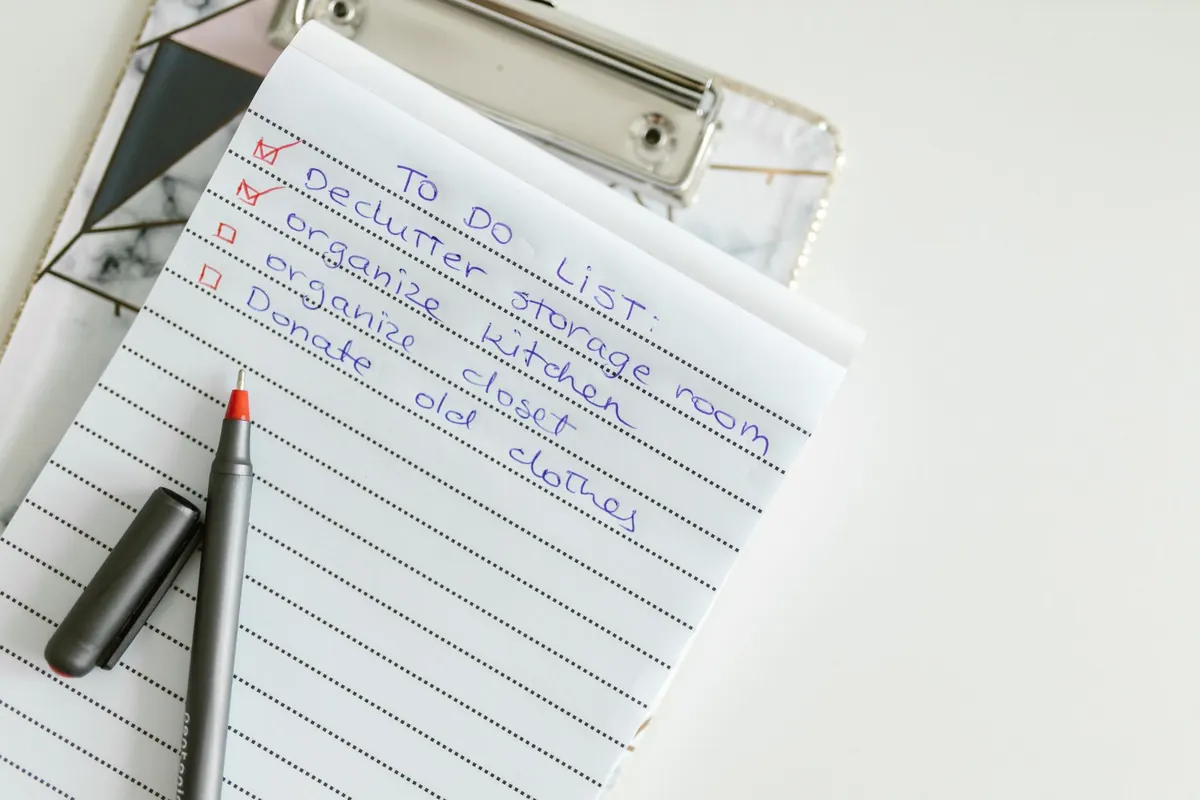
Use this list after you have edited. Tick each one or fix it.
- Stakes are clear by the second sentence.
- Main character is named and given a trait or flaw.
- Want is specific and active.
- Tone matches the book’s genre and mood.
- Tense is consistent, usually present.
- Point of view is consistent.
- Length is within 100–200 words or the retailer’s limit.
- Sentence length varies.
- Reads aloud without stumbling.
- Genre signals are clear but not listed.
- Any comparison is honest and useful.
- Final line creates a reason to click.
Before you upload
Leave the blurb overnight. Read it once on your phone, once on a laptop, and once out loud. Ask two readers who know your genre to mark the exact sentence where they would stop reading. If they stop before the hook, cut the sentence above it. If they stop after the hook, tighten the ending. Then paste it into the retailer’s field and check the preview: line breaks, italics and punctuation often behave differently than in your document.
Finally, check that the blurb, title, cover and category all promise the same book. A reader should not feel tricked at 10 per cent. If they do, the review will say so. A precise, honest blurb may not please everyone, but it will attract the right readers—and that is what sells the next book.
Photo: RDNE Stock project / Pexels

You Might Also Like
Everyone knows the house edge. Everyone has heard that the roulette wheel has a zero on it and that the slot machines are programmed to pay back a certain…
Ask ten casino players why they play and you'll get ten different answers. The thrill of a jackpot, the mental chess of a poker table, the slow burn of a…